Uncovering the Diverse Types and utilizes of Rubber Keypads in the Innovation Landscape Today
Rubber keypads have established themselves as vital components in numerous technological applications. Their adaptability makes them appropriate for consumer electronics, commercial devices, and medical tools. As these keypads continue to develop, new personalization options and design patterns emerge. This prompts a better assessment of their benefits and manufacturing procedures. Understanding these components may reveal why rubber keypads remain a preferred selection in the innovation landscape. What exists in advance for this functional element?
Summary of Rubber Keypads
Rubber keypads function as a basic element in different digital gadgets, offering a tactile interface for user interaction. These keypads are usually made from silicone or rubber materials, which supply versatility and toughness. Their design often includes elevated symbols or letters, enhancing usability by permitting customers to feel the secrets - Rubber Keypads. Rubber keypads are immune to dust, dampness, and use, making them ideal for demanding atmospheres
Moreover, they can be customized pertaining to form, size, and shade, allowing makers to produce one-of-a-kind user interfaces tailored to details items. The production procedure frequently includes techniques such as molding and printing, guaranteeing high-quality outcome. Consequently, rubber keypads not only improve functionality but additionally add to the general aesthetic appeals of the gadget. With these attributes, rubber keypads remain a popular selection for both consumers and suppliers, emphasizing their relevance in the modern technology landscape.
Typical Applications in Consumer Electronic Devices
While numerous electronic tools rely upon touchscreens for customer interaction, rubber keypads remain to play a vital duty in customer electronic devices. These keypads are widely used in gadgets such as push-button controls, pc gaming controllers, and house home appliances, where responsive feedback improves user experience. Their sturdiness and resistance to wear make them ideal for gadgets regularly based on heavy usage.
Rubber keypads are also prominent in cellphones and mobile devices, where compact designs require responsive and dependable input methods. The capability to customize the form and appearance of rubber keypads allows manufacturers to produce unique designs that attract customers. In addition, the soft touch of rubber gives convenience during long term usage, making these keypads a recommended option for devices needing extended communication. Generally, rubber keypads remain a crucial component in the customer electronic devices landscape, incorporating capability with user-friendly attributes.
Duty in Industrial and Medical Devices
Rubber keypads play a necessary role in both clinical and industrial tools, providing sturdiness and dependability in requiring environments. In industrial settings, they are often made use of in control panels and equipment, improving operator communication with facility systems. Likewise, in the medical area, rubber keypads promote easy to use interfaces for devices that require precision and hygiene.
Industrial Devices Applications
Keypads play a vital role in the performance and user experience of commercial and clinical devices. In commercial setups, rubber keypads give a robust interface for equipment and control systems, permitting drivers to conveniently input commands and readjust settings. Their resistance to dust, wetness, and chemicals guarantees reliability under severe conditions regular of manufacturing facilities and manufacturing plants. In addition, the tactile comments offered by rubber keypads boosts individual interaction, reducing the chance of input mistakes. Along with traditional machinery, these keypads are important in automated systems and robotics, where precision is extremely important. The convenience of rubber keypads in various industrial applications underscores their relevance in enhancing operational effectiveness and guaranteeing security in intricate atmospheres.
Medical Device Integration
As medical devices significantly require straightforward user interfaces, the integration of rubber keypads has actually come to be important in guaranteeing effective communication between health care professionals and tools. These keypads offer tactile feedback, facilitating intuitive procedure also in high-pressure atmospheres. Their durability and resistance to extreme cleaner make them ideal for clinical setups, where health and long life are important. Additionally, rubber keypads can be personalized to include numerous shapes, dimensions, and colors, improving aesthetic recognition and availability for individuals. This flexibility allows for the creation of specialized controls tailored to details clinical features, enhancing total efficiency. As a result, the role of rubber keypads in medical device integration not only enhances capability however likewise advertises person safety and security and operational dependability in health care atmospheres.
Personalization Options and Style Trends
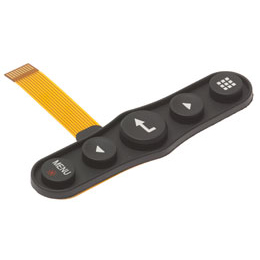
Current design patterns highlight minimalism and comfort designs, prioritizing user comfort and instinctive interaction. Custom logos and branding can be incorporated right into keypads, permitting firms to preserve a cohesive brand identity throughout their products. Additionally, improvements in making strategies, such as silicone molding, have actually made it easier to attain intricate designs and customized layouts.
Advantages of Rubber Keypads Over Other Types
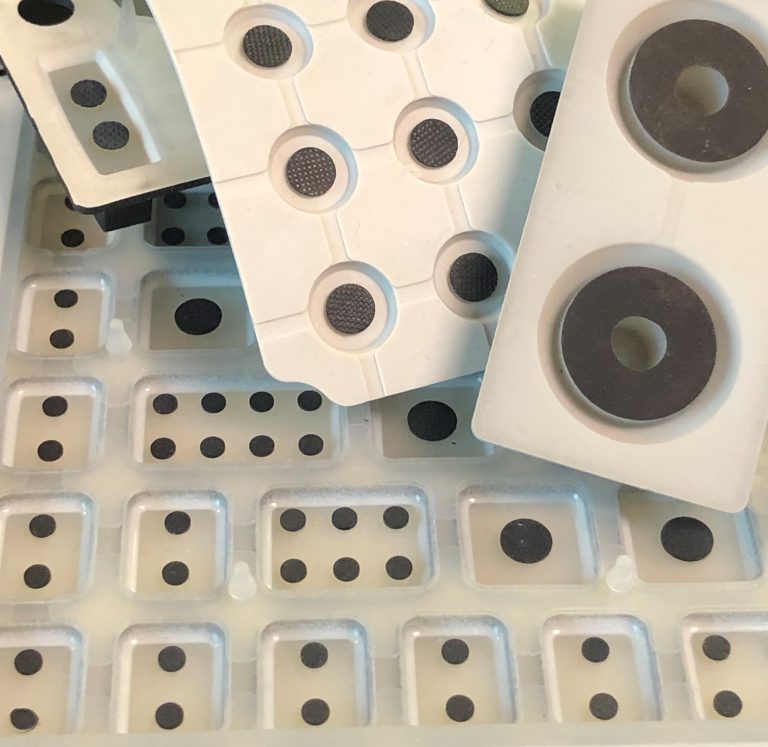
Rubber keypads are likewise understood for their longevity and resistance to environmental aspects. They can hold up against dirt, temperature level, and dampness changes, making them optimal for industrial or outside setups. Furthermore, rubber keypads are often quieter than their plastic or metal equivalents, lowering environmental pollution in shared environments.
The cost-effectiveness of rubber keypads makes them an eye-catching choice for producers. Their light-weight nature adds to reduce delivery expenses, while their customizable layouts provide to particular branding demands. On the whole, rubber keypads stand for a flexible and trustworthy service in the technology landscape.
Production Techniques for High Quality and Durability
In the manufacturing of rubber keypads, the choice of appropriate products and molding procedures plays a crucial function in establishing overall quality and longevity. Various molding methods, such as compression and injection molding, greatly influence the final item's efficiency. Recognizing these aspects is crucial for achieving excellent outcomes in rubber keypad production.
Molding Processes Discussed
A range of molding procedures play a necessary function in the manufacturing of rubber keypads, ensuring both top quality and longevity. One of the most common techniques consist of compression molding, transfer molding, and shot molding. Compression molding involves putting rubber in a heated mold, where heat and stress shape it into the desired form. Transfer molding permits even more exact control over material circulation and is ideal for complicated styles (Rubber Keypads). Injection molding, known for its speed and effectiveness, injects liquified rubber into a mold under high stress, creating high-volume components with consistent quality. Each technique offers distinctive advantages, influencing factors such as manufacturing speed, expense, and design flexibility, eventually affecting the efficiency and life-span of rubber keypads in various applications
Material Choice Value
Product option plays an important function in the production of rubber keypads, directly affecting their performance and durability. The choice of rubber substances, such as silicone or polyurethane, influences responsive comments, resistance to put on, and environmental sturdiness. Top quality materials ensure that keypads can hold up against comprehensive usage, keeping their capability with time. Furthermore, the solution of rubber influences its resistance to temperature level variations and direct exposure to chemicals, which are important for tools in numerous atmospheres. Employing sophisticated manufacturing strategies, such as compression or shot molding, more enhances the structural stability of keypads. Ultimately, mindful material option and production procedures add greatly to the overall high quality, durability, and customer satisfaction of rubber keypads in today's technology landscape.
Future Patterns in Rubber Keypad Modern Technology
As innovation continues to develop, the future of rubber keypad technology appears promising, with developments positioned to boost functionality and user experience. One noteworthy fad is the assimilation of touch-sensitive innovation, allowing capacitive responses that resembles the feeling of typical buttons while offering boosted responsiveness. Furthermore, the development of antimicrobial materials is most likely to acquire grip, resolving hygiene issues in public and shared gadgets.
Moreover, modification choices are expected to expand, permitting individuals to individualize crucial designs and tactile comments, thereby satisfying diverse demands. The incorporation of smart modern technology, such as connection features, may likewise emerge, allowing rubber keypads to communicate Click This Link with various other devices seamlessly. As producers concentrate read on sustainability, eco-friendly materials are prepared for to become more prevalent, lining up with worldwide environmental objectives. On the whole, these fads assure to change rubber keypads, making them more flexible, easy to use, and environmentally aware in the technology landscape.
Often Asked Inquiries
Exactly How Do Rubber Keypads Contrast in Price to Various Other Keypad Kinds?
Rubber keypads typically provide an affordable remedy contrasted to various other keypad types, such as membrane layer or mechanical options. Their reduced production expenditures and toughness make them an eye-catching option for different applications in innovation.
What Are the Environmental Influences of Rubber Keypad Production?

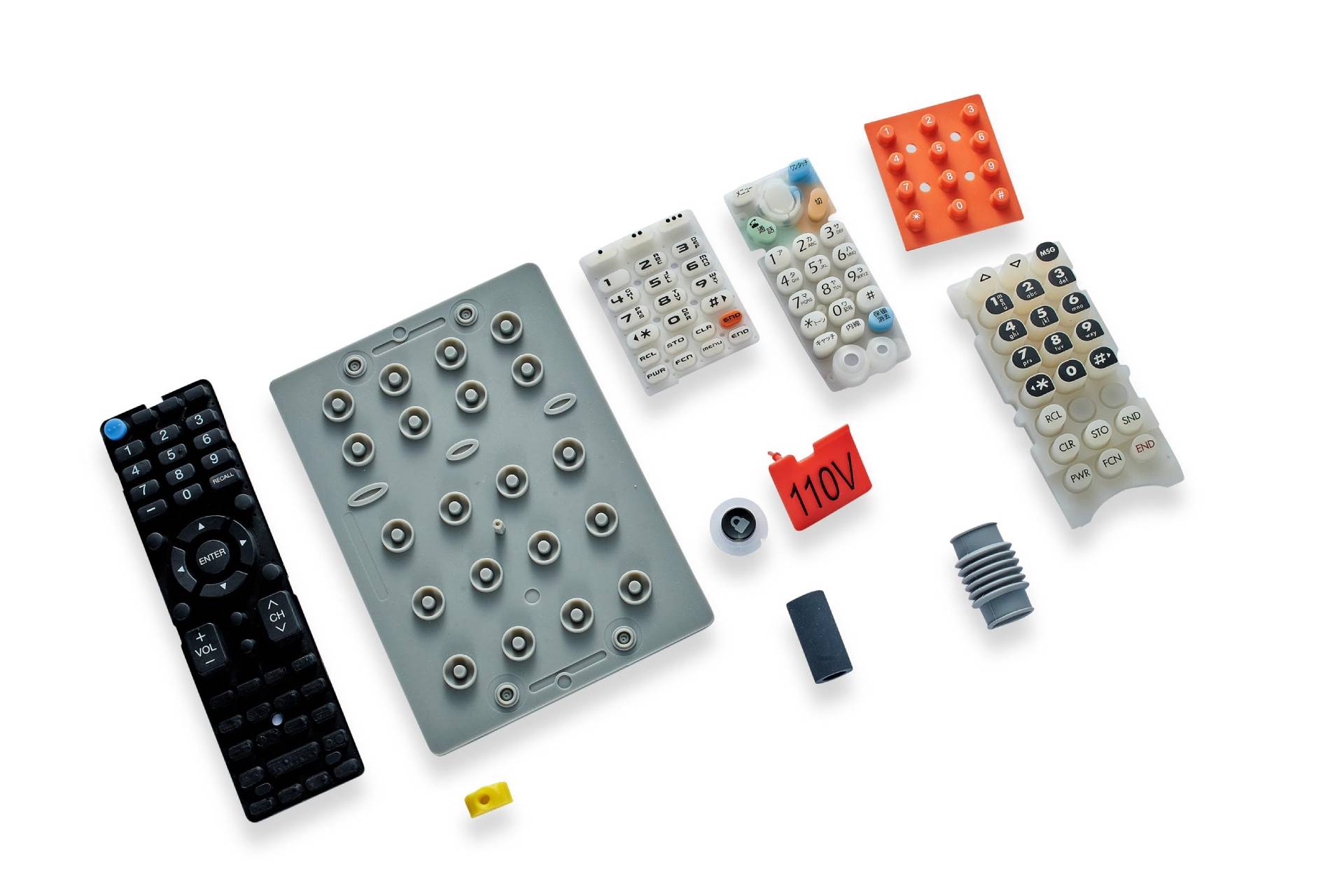
The ecological influences of rubber keypad manufacturing consist of resource exhaustion, energy intake, and pollution from producing processes. In addition, improper disposal can result in plastic waste, contributing to ecological destruction and hurting ecosystems otherwise taken care of responsibly.
Can Rubber Keypads Be Used Outdoors?
Rubber keypads can be made use of outdoors because of their sturdiness and resistance to weather aspects. Their durability may depend on the high quality of materials used and the certain environmental problems they are exposed to.
What Maintenance Is Required for Rubber Keypads?
Rubber keypads require normal cleaning to remove dust and debris, regular examination for deterioration, and defense from extreme temperatures. Ensuring correct storage problems can prolong their life-span and maintain functionality with time.
Exactly How Do Rubber Keypads Perform in Extreme Temperatures?
Rubber keypads generally preserve functionality in severe temperatures, displaying strength to both cold and heat. Extended exposure may create material destruction, impacting their tactile action and general efficiency in extreme atmospheres.
Rubber keypads offer Source as an essential component in various digital tools, providing a responsive interface for individual interaction. While lots of digital devices count on touchscreens for customer interaction, rubber keypads proceed to play a necessary function in customer electronic devices. Furthermore, the soft touch of rubber provides convenience during extended usage, making these keypads a favored option for tools needing prolonged communication. Regardless of the growing range of keypad products offered, rubber keypads provide distinctive advantages that make them a favored choice in many applications. Rubber keypads generally provide an affordable option compared to various other keypad types, such as membrane layer or mechanical choices.